
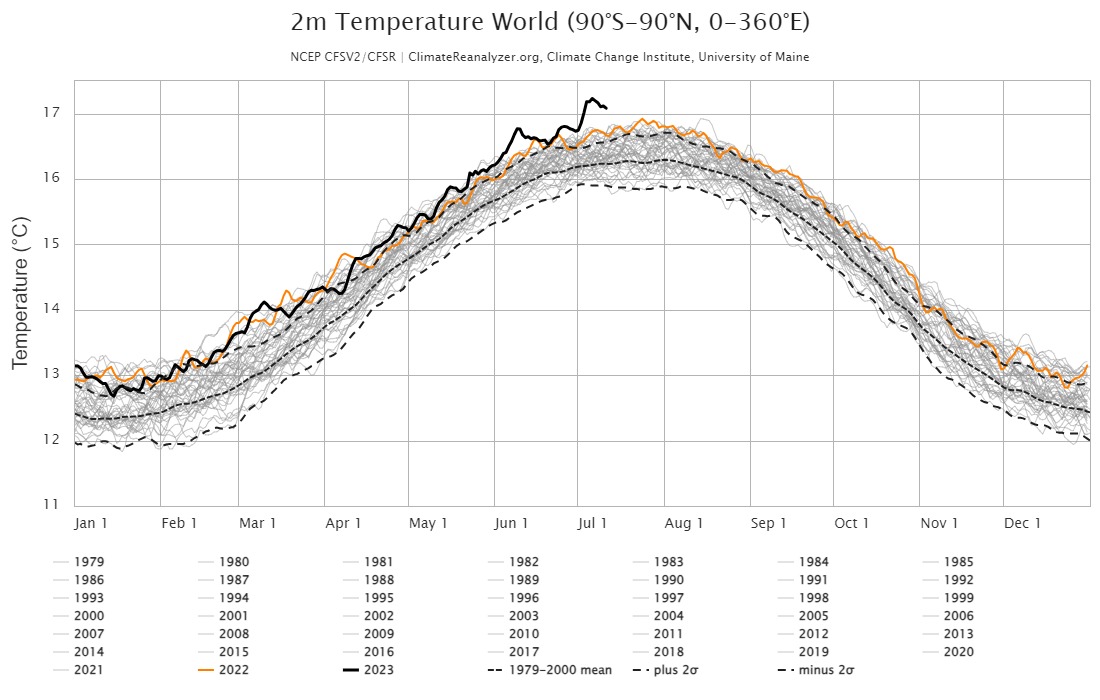
As the fireworks rang out across Philadelphia on the week of the 4th of July, the heat felt unrelenting, but not extraordinary. In other parts of the country and the world, things were not as jovial. According to ClimateReanalyzer the hottest day on record was Thursday, July 6.
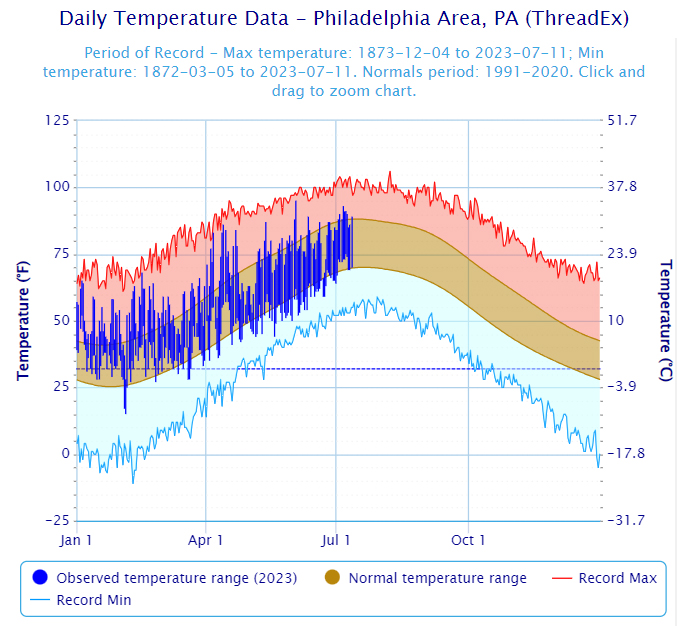
In this comparison of local and national weather averages, Philadelphia is clearly seen to have been spared this time.
As the summer warms up the heat will undoubtedly profoundly affect the lives of Philadelphia’s residents, presenting a range of challenges and highlighting the urgent need for climate resilience. The National Oceanic and Atmospheric Administration (NOAA) creates 3-month predictions of upcoming temperatures, which can be seen for this summer below:
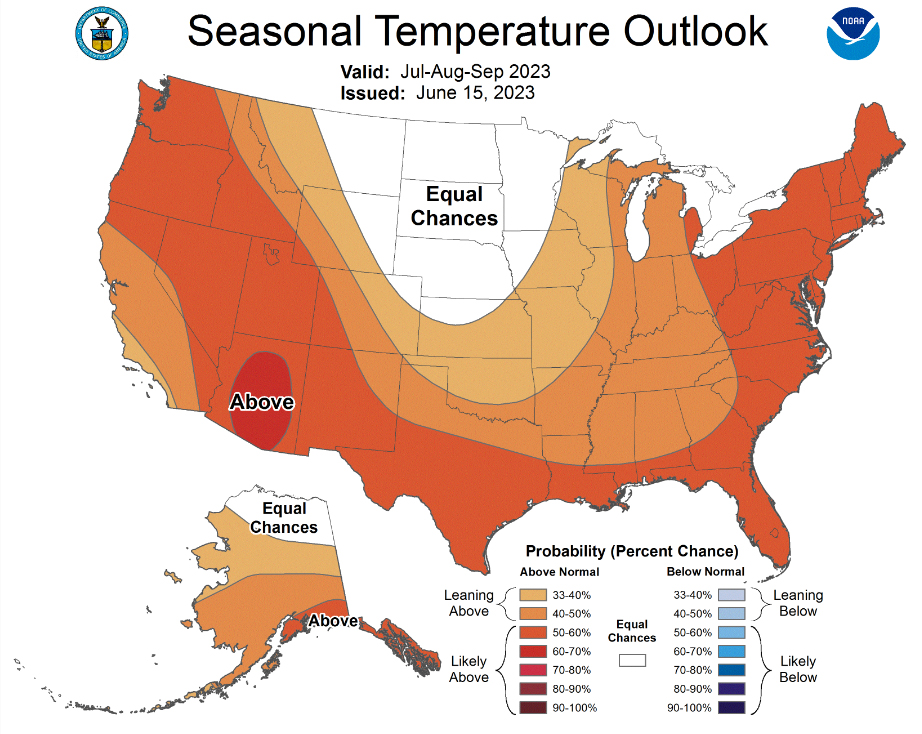
The NOAA climate temperature prediction for this summer shows most of the country, including Philadelphia, to have a hotter summer than last. A number of challenges await us this upcoming summer, as this past week of heat records has reminded us.
Unbearable Heat and Health Risks
If Philadelphia experiences a spike in temperature that is comparable to the world average that was just experienced, the heat conditions will test the endurance of its residents. Sweltering temperatures exceeding 100 degrees Fahrenheit will transform the city into a furnace, creating hazardous conditions for vulnerable populations, including the elderly, children, and those with pre-existing health conditions. Heat-related illnesses, such as heat exhaustion and heatstroke, will overwhelm emergency rooms and healthcare providers across the city. This is a stark reality that is getting harder to bear year after year.
Energy Demands and Infrastructure Strain
The blistering heat will place an immense strain on Philadelphia’s infrastructure, particularly its energy grid. As everyone will crank up their air conditioners to escape the searing air, the demand for electricity will soar. The risk of power outages will become a grim reality for many, further exacerbating the discomfort and compromising the health and safety of individuals reliant on AC for relief, or survival. This challenge to meet the surging energy demands highlights the necessity of bolstering the city’s infrastructure to withstand future climate extremes. Is our city using the relatively mild weather of spring and fall to stress test these systems, or are we the test subjects ourselves?
Economic Impact
The scorching summer will have far-reaching economic repercussions for Philadelphia and its residents. Outdoor businesses, such as restaurants that rely on outdoor seating, construction sites, landscaping companies, and street vendors, will be overwhelmed by the extreme conditions, causing delays, reduced productivity, and increased health risks for workers. The tourism industry, a significant economic driver for the city, also is not going to benefit as visitors will look farther north for more relief from the heat. Cheesesteak sales will fall in tourist areas, and the workers at our cultural sites will be less engaged because of the almost guaranteed heat stroke they will be under while explaining to our visitors that the founding fathers also had no AC. The financial burden on businesses and individuals, and tourism alike emphasize the need for climate adaptation strategies and the incorporation of resilience measures into Philadelphia’s urban planning.
Environmental Concerns
The record-breaking hottest day on record underscored the environmental challenges faced by Philadelphia. Urban heat islands, areas with significantly higher temperatures due to the concentration of buildings and concrete, will worsen the already oppressive conditions headed our way. The lack of green spaces and limited tree canopy coverage will amplify the heat island effect, exacerbating our urban heat burden. The flaring temperatures will strain the city’s water resources, leading to increased demand for water and putting stress on the already taxed water infrastructure of ancient pipes that periodically turn into sinkholes. Higher local temperatures push birds out of the area.
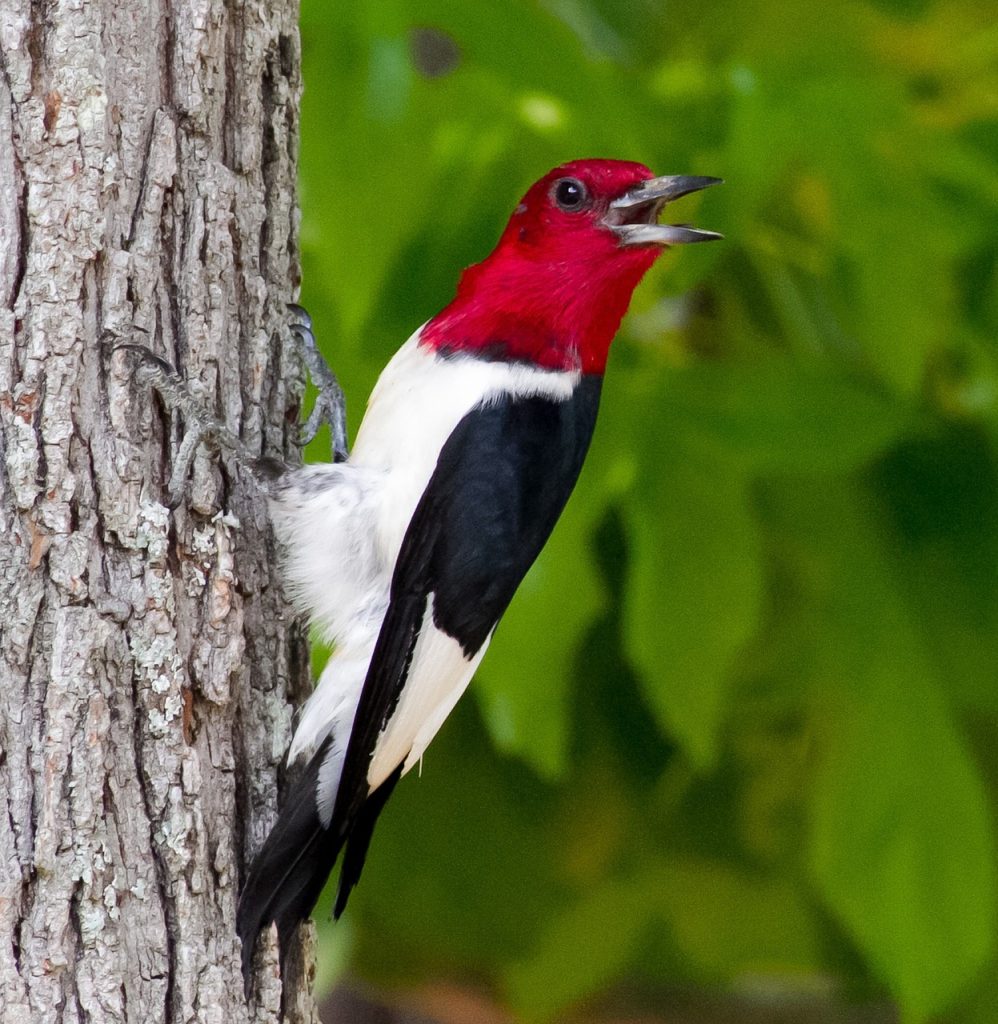
The following species of birds alone used to call Philadelphia home, but now are labeled “range lost” or “highly vulnerable” by the Audubon Society: The Red-headed Woodpecker, the Fish Crow, the Wood Thrush, the Brown Thrasher, the Field Sparrow, the Eastern Towhee, the Worm-eating Warbler, the Pine Warbler, the Yellow-throated Warbler, and the Scarlet Tanager. You can use the Audubon Society’s Survival by Degrees tool to find out more about how this slight increase in temperature has a drastic effect on our feathered friends.
Community Response & Expectations
Despite the challenges that the hottest day on record frames for our future, we cannot just let this future happen. We can expect community organizations will distribute water and resources to vulnerable populations, and cooling centers will be established to provide relief from the relentless heat. But what we must expect from our city is more preparedness for the obvious oncoming challenges – more cooling centers, more support for local community groups, and more resilient infrastructure. As the impacts of climate change become increasingly evident, urgent action is required at both the individual and systemic levels. Mitigation measures, such as increasing tree canopy coverage, implementing heat-resilient urban design, and investing in renewable energy sources, are essential to building a more sustainable, equitable, and climate-resilient Philadelphia.
The hottest day on record is a stark reminder of the urgent need to address climate change and build resilient communities. The extreme heat exposed the vulnerabilities of the city’s residents, infrastructure, and environment, amplifying existing social, economic, and health disparities. By taking proactive steps to mitigate the impacts of climate change, Philadelphia can protect its residents, strengthen its infrastructure, and build a more sustainable future for all. The time for action is now, as the consequences of inaction could be devastating for the City of Brotherly Love.