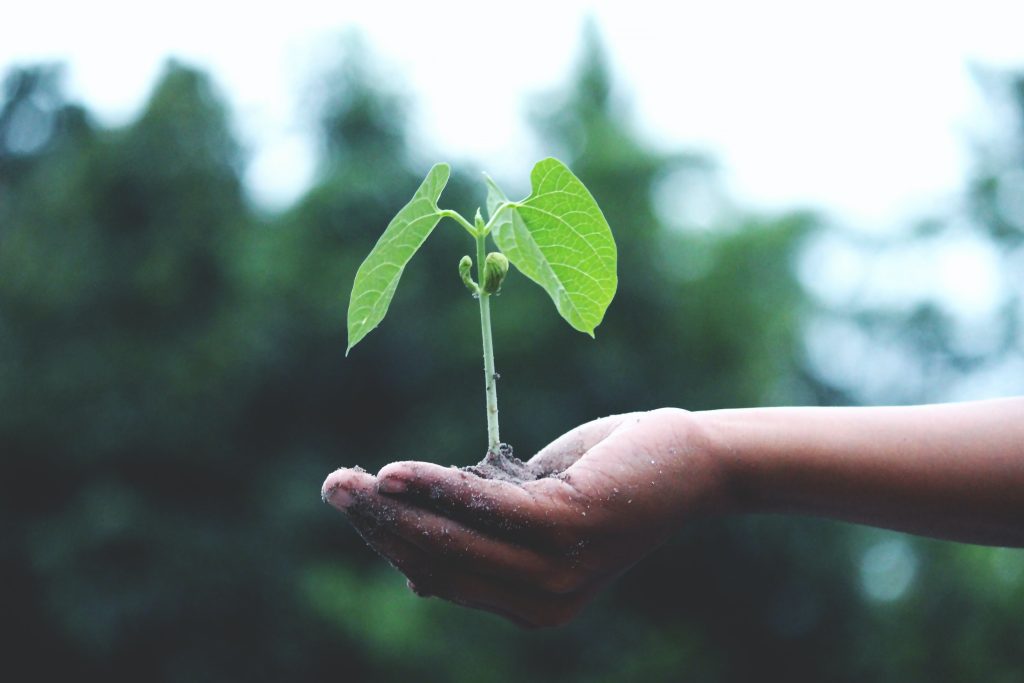
As our sidewalks and buildings turn into hotplates this summer, the importance of green spaces cannot be overstated. While large parks such as Fairmount Park and gardens such as Bartram’s Garden are obvious contributors to biodiversity in urban areas, small patches of vegetation also play a significant role. In fact according to one recent study titled “Integrating biodiversity as a non-human stakeholder within urban development”, even small patches of vegetated land had similar plant biodiversity to larger areas.
Moreover, when connected or close together, these small patches exhibit even higher biodiversity. This means that patches of vegetation along road margins are incredibly important to preserving plant biodiversity in an urban setting. These seemingly inconspicuous green areas, such as roadside verges, pocket parks, rooftop gardens, and even window boxes, have the potential to link together and support biodiversity in ways that are often overlooked. Let’s look at some of the remarkable impacts of small patches of vegetation on Philadelphia’s urban biodiversity.
Microhabitats help Plant Diversity and Native Species
Even the tiniest patches of green land can provide vital microhabitats for many species, including insects, birds, and small mammals. While they may not offer the same scale as larger green spaces individually, when close together these pockets of vegetation can support a surprising diversity of life. For example, flowering plants attract pollinators like bees and butterflies, which play a crucial role in maintaining plant reproduction and fruit production. Additionally, the presence of vegetation can provide shelter, nesting sites, and feeding opportunities for a range of urban wildlife.
Small patches of vegetation can act as stepping stones or corridors for native plant species in urban environments. By incorporating a variety of native plants in these spaces, we create opportunities for increased plant diversity and the preservation of local ecosystems. Native plants are better adapted to the local climate, require less maintenance, and provide food and shelter for local wildlife.
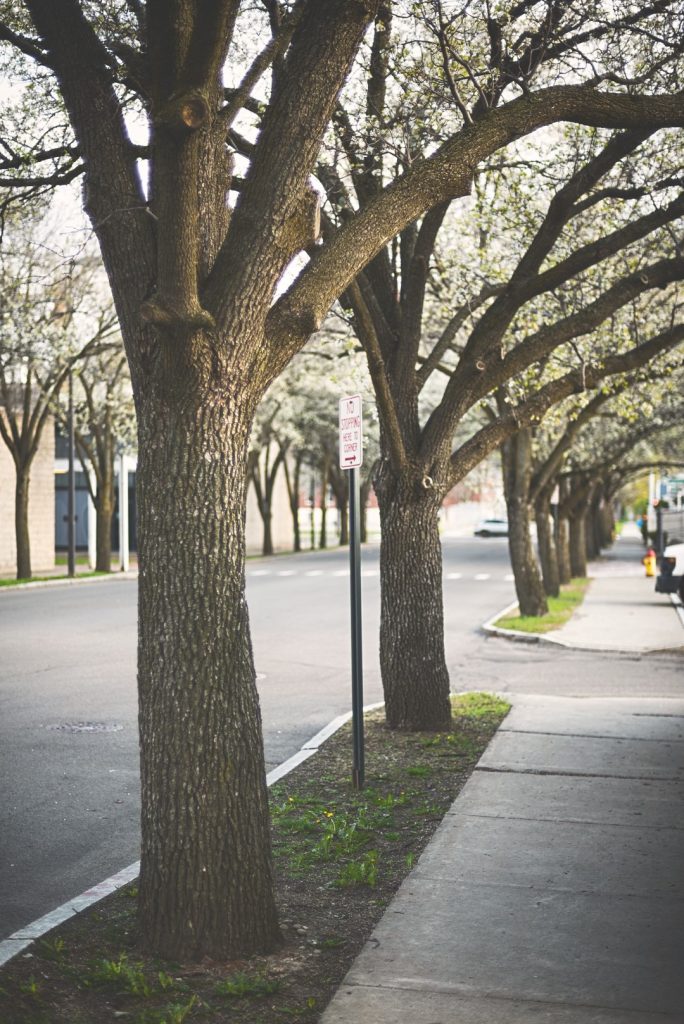
The inclusion of native species in small patches of vegetation helps to restore ecological balance, supports the survival of pollinators and other native fauna, and helps native species spread to new areas.
Temperature Regulation and Air Quality
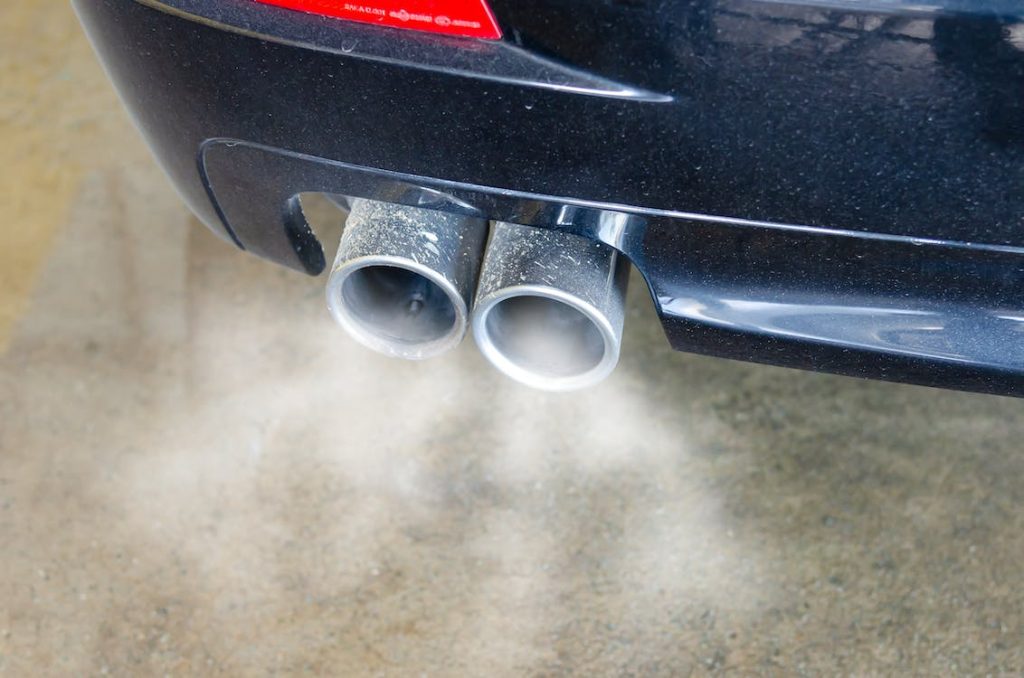
Vegetation patches, regardless of size, contribute to mitigating the effects of urban heat islands. In the city buildings and concrete surfaces absorb heat during the day and radiate heat at night, leading to higher temperatures at all times. All small patches of vegetation, such as green roofs or vertical gardens, help regulate higher temperatures by providing shade and evaporative cooling.
These patches act as natural air conditioners, reducing energy consumption and improving the overall microclimate, whether it is your sidewalk or your balcony. Additionally, vegetation filters pollutants like car exhaust from the air, enhancing air quality and making urban environments healthier for residents.
What Can I Do?
While large parks and protected areas are crucial for urban biodiversity, small patches of vegetation should not be overlooked. These seemingly insignificant green spaces provide microhabitats, promote native plant diversity, regulate temperature, improve air quality, enhance well-being, and foster community engagement. The cumulative effect of these small-scale interventions can lead to a more resilient and sustainable urban environment. By recognizing the value of small patches of vegetation, we can create a greener and more biodiverse future for our cities. One way of creating more of these spaces is by asking for a tree from the Philly Tree Plan program for a suitable location. Another is to petition our local government to turn unused land into parks. Let us know below in the comments what local areas are suitable candidates for a park or something like it!